Prelude
Someone at the Gate
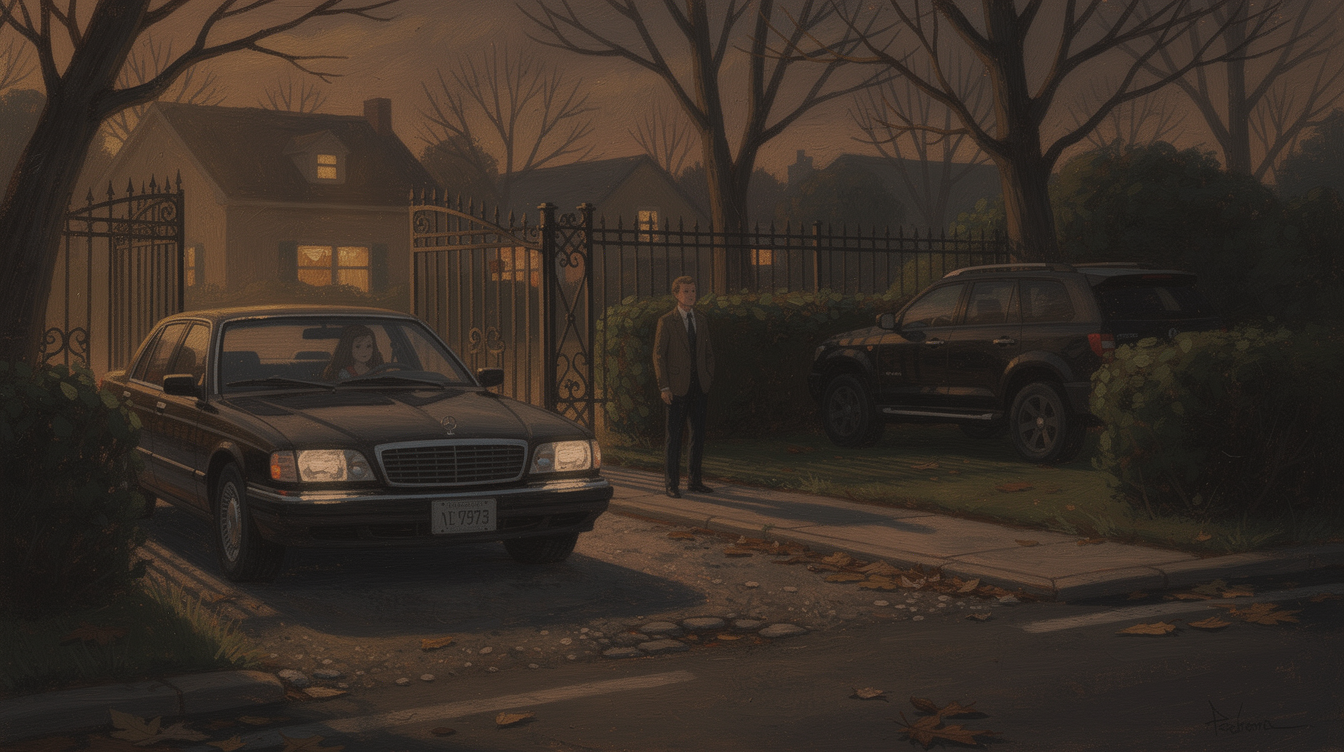
A court-ordered exchange at dusk. A blacked-out SUV. Two men in camouflage. A child in the back seat. A court supervisor who filed an affidavit and was removed from the case.
A court-ordered exchange at dusk. A blacked-out SUV. Two men in camouflage. A child in the back seat. A court supervisor who filed an affidavit and was removed from the case.

A man walks into the Kremlin without credentials during Victory Day. No one stops him. The digital record survived.

A boat on the Hudson. A girl in a red-and-white dress holding a chihuahua and a vape pen. She runs a handbag company and a marketing agency. Her clients are all in construction. Her friend got hit by a wrecking ball. So did she.
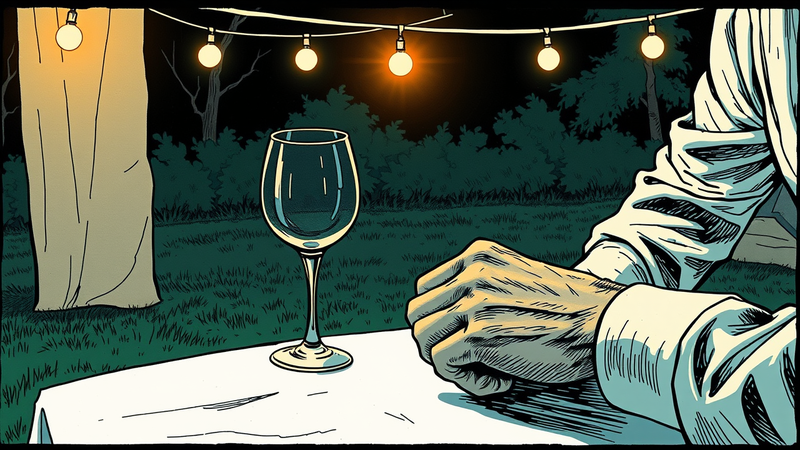
A weekend in the Hamptons. A dinner in white. A dog bite that became a fourth date. Riley the chihuahua was there — packed, planned, present. Three years later, the abuse journal would move Riley back to the city and rewrite every detail of this weekend. The photograph proves otherwise.

Easter dinner at a house called Tara Knoll — Steve's only visit to the Walsh compound in Chappaqua. Walsh Sr. performs the patriarch. Michael counts change at the table. The sisters wear matching outfits. Brienne watches from a chair. Something about the family is off. He never went back.
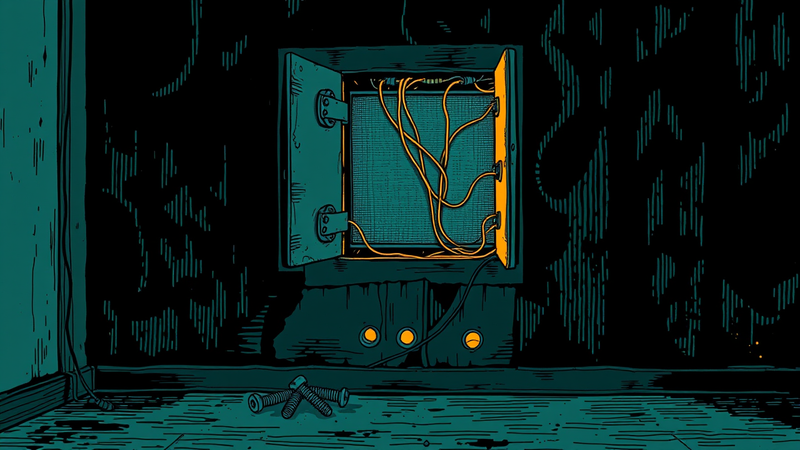
Power cut to one unit. Neighbors still have theirs. The electrical closet forced open, hinges removed. Drill holes in the walls. Nothing stolen. The intrusion itself was the point.
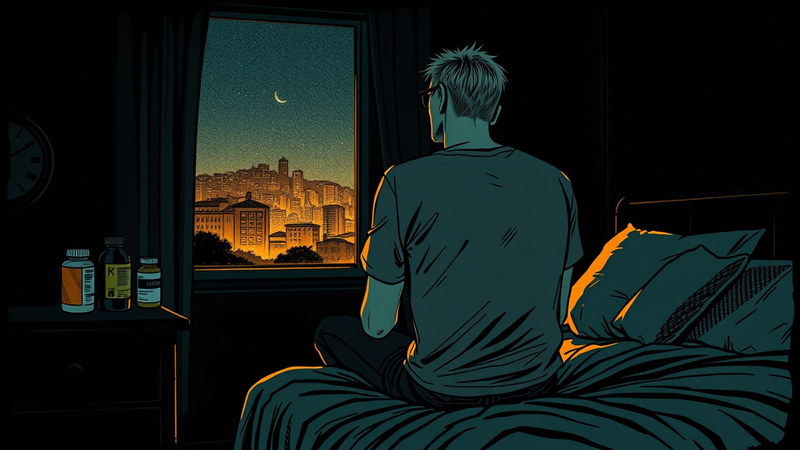
Something is wrong with Steve. Conflicting diagnoses. Tara moves in to take care of him. The symptoms don't match any single explanation. Neither does her attentiveness.

She threw a wine bottle at his head. The relationship ends. Or it should have. The breakup has the shape of a Gone Girl exit — perfect victim, perfect villain, nothing quite adding up.
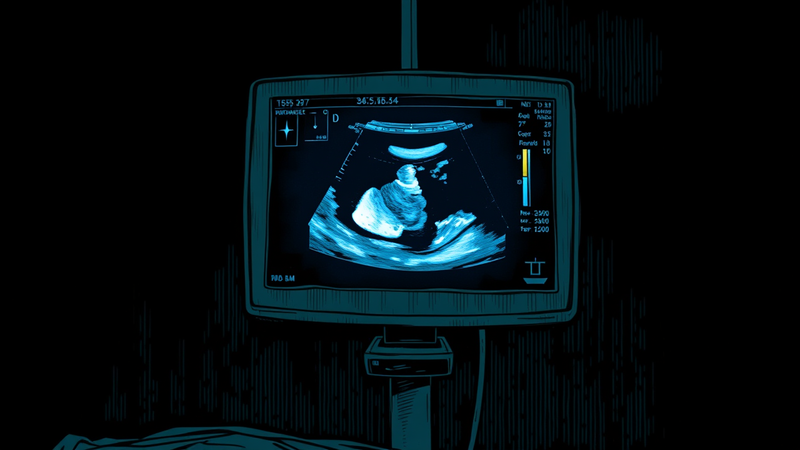
She calls months after the breakup. She's pregnant. The baby changes everything — or is supposed to. The reconciliation has the architecture of a con: create the crisis, offer the solution, own the outcome.
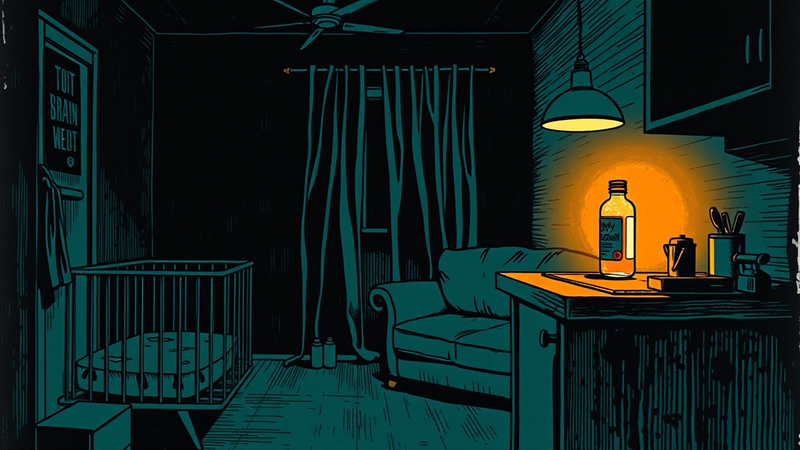
Tara finds an apartment in a mob neighborhood down the street from her sister. She asks Steve to come help look at places for the baby. He goes to the hospital instead. The door closes behind him.

He leaves New York. Gets a driver. Returns to work. Ring is growing — Kleiner money, Ukraine team producing, Amazon watching. Jamie wants more than Steve can give. Prism gets caught in the middle. He meets a woman named Kelly at a ranch that used to belong to the painter of cottages. For a while, life is normal. Then two catastrophes collide.
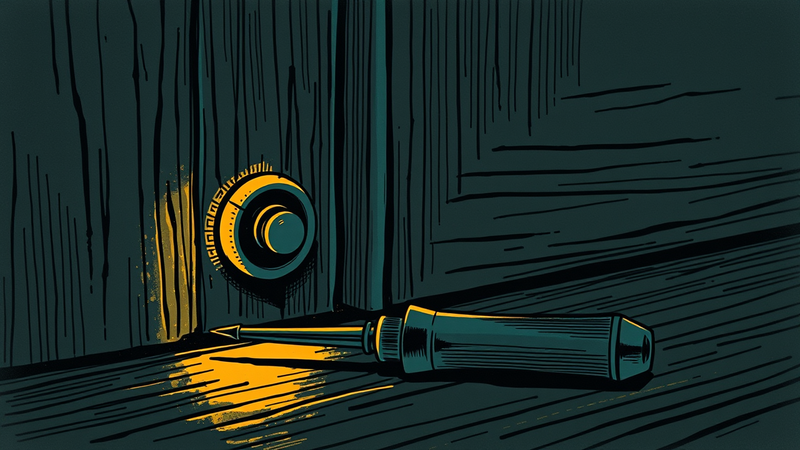
Steve flies to New York with his security team ahead of Evie's birth. Tamper screws set to eleven o'clock. NYPD drivers on shift. The birth of his daughter is being planned alongside logistics that have nothing to do with joy.
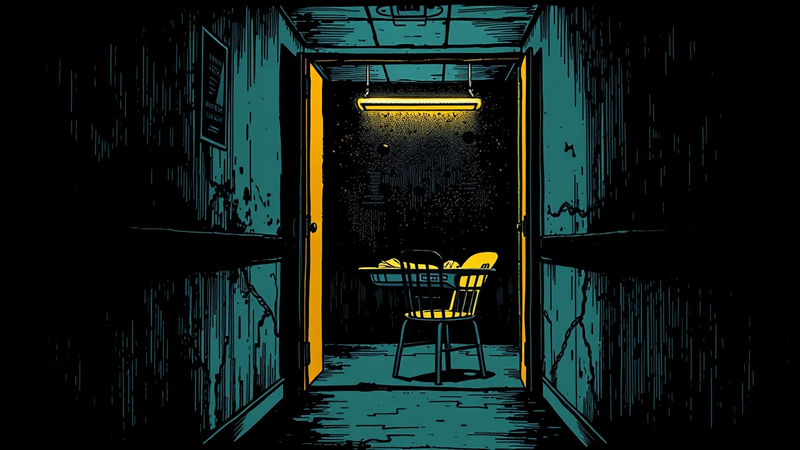
Evie is born by emergency C-section. Steve sleeps in a chair for four days. The Walsh family fills the corridors. Then Tara gives him Adderall, and the fog returns.
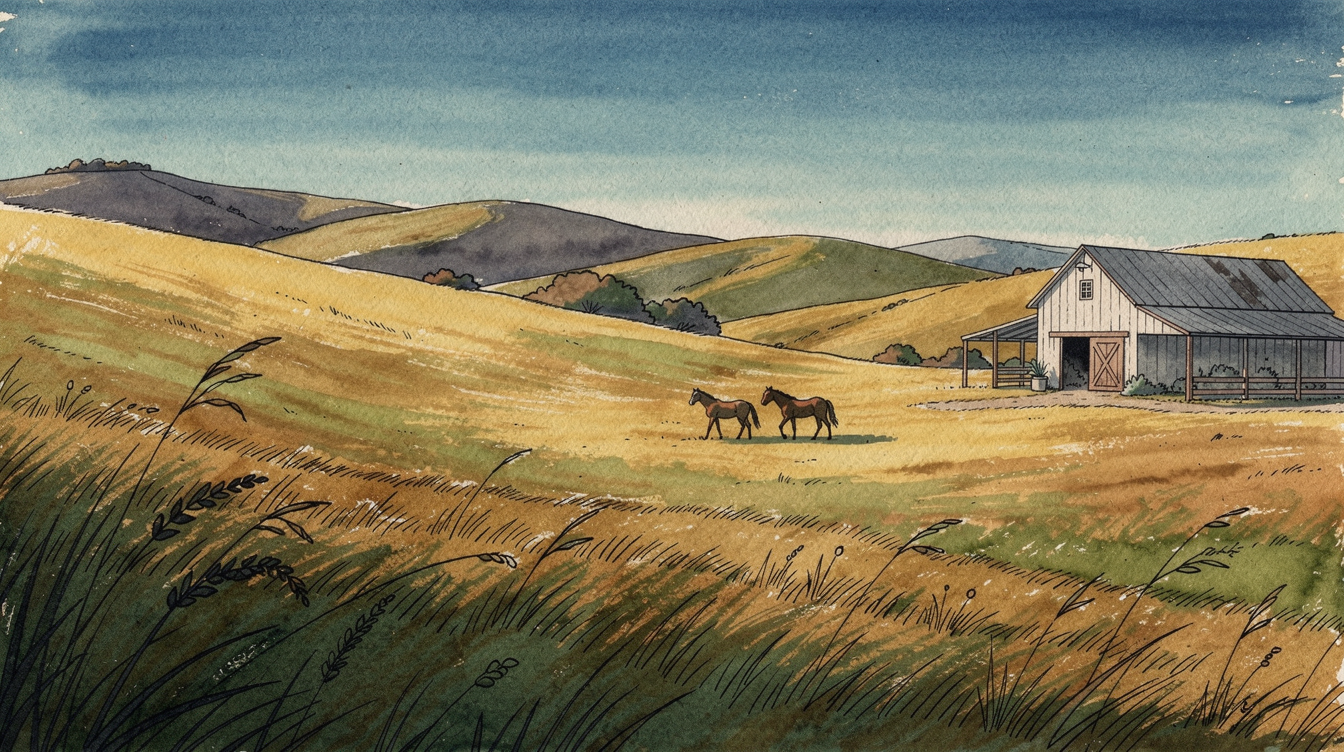
Kelly comes back. A ranch that belonged to the painter of cottages. Light on the hills. Then Amazon buys Ring, Jamie deletes the options, and Steve files a fourteen-count complaint. Kelly helps him win.
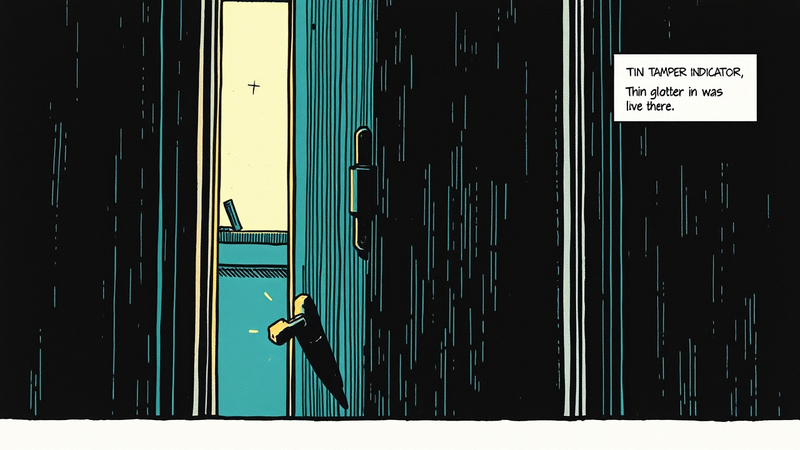
He returns to the Brooklyn apartment after four days in a hospital chair. The tamper screws have moved. The air smells wrong. Something adhesive settles on his face. Then Tara and her father arrive and tell him to leave.
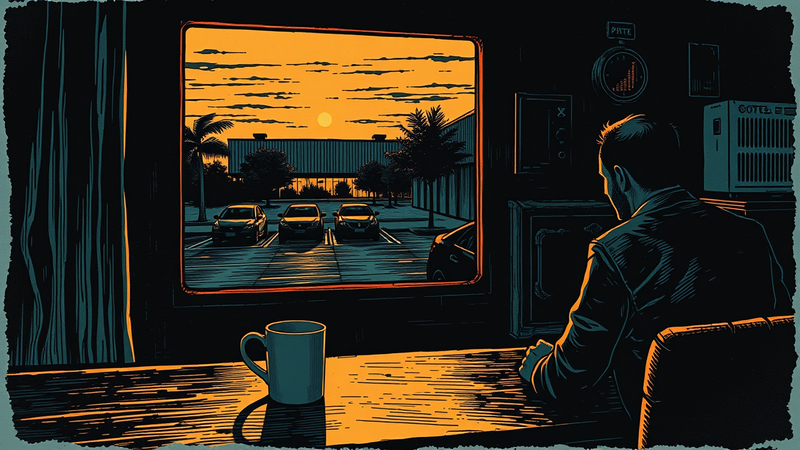
A chaotic sequence of locations after leaving the Brooklyn apartment. Motel 6. A rest stop meeting. An evidence box with items missing. A local officer's warning: don't trust anyone.
Weeks of phone calls from San Francisco to New York. Tara blames her parents. Tara promises cooperation. Tara asks about finances. Then she asks for a private jet.

A private jet carries Evie from Teterboro to San Francisco. Steve waits at the other end. What he cannot see — what is happening simultaneously in text threads with Jesse, Matan, and Walsh Sr. — is that Tara has planned the exit before the arrival.
A three-level townhouse. A nanny. Steve's mother helping with the baby. For a brief period it feels almost ordinary. Then Tara smashes a phone against the wall and photographs a bruise.
Steve moves into a sinking building and goes to the police. The building absorbs its lean internally. So does the investigation.
A wine-and-art event. Two women who walk past the table too many times. Fifteen minutes later, his skin turns red and his body heats up. Tara records the entire episode. He recognizes the feeling from exercise supplements: niacin.
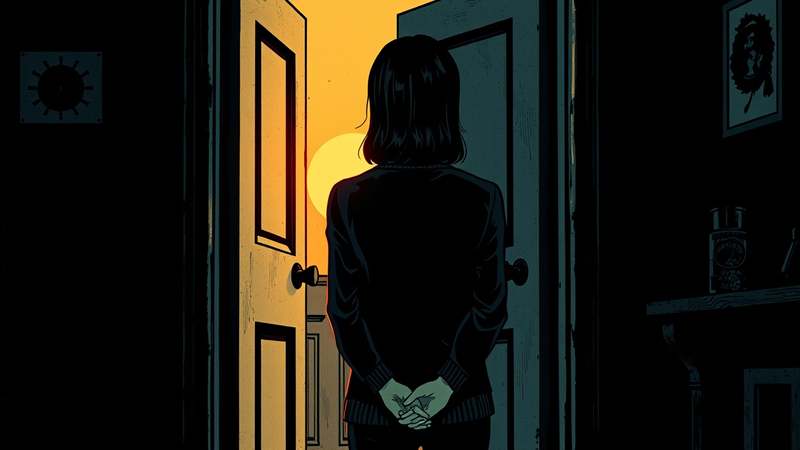
The nanny approaches Steve in the kitchen: 'This will probably get me fired.' She has a brother in the FBI. Her brother told her to tell Steve immediately. Tara has been putting Seroquel in Steve's wine. Her response: 'I do it all the time.' Then 'We all do it.' Then 'They did it.' In her text to Dr. Gopal that night, Tara buries the admission inside a complaint about the nanny. In her sworn court filing, the number becomes two. The confession shrank. The witness chose silence a year later.
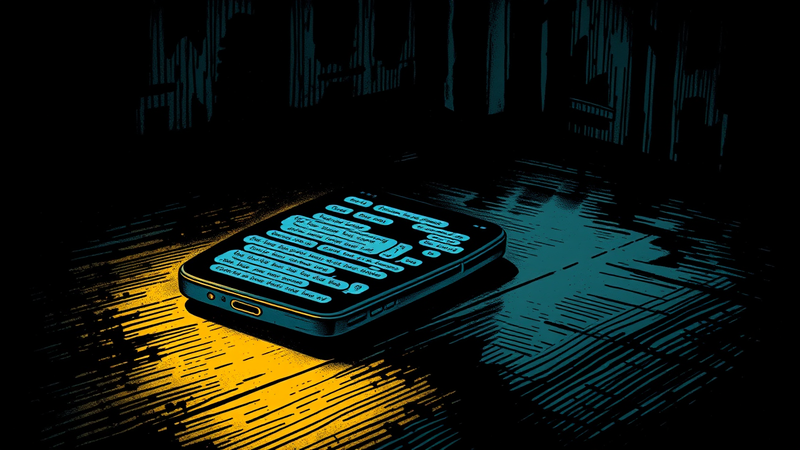
A message arrives from Tara. Dramatic, accusatory, the kind of thing she sends often enough that it reads like noise. The phrase about abandoning their daughter is a warning. Steve doesn't recognize it yet.
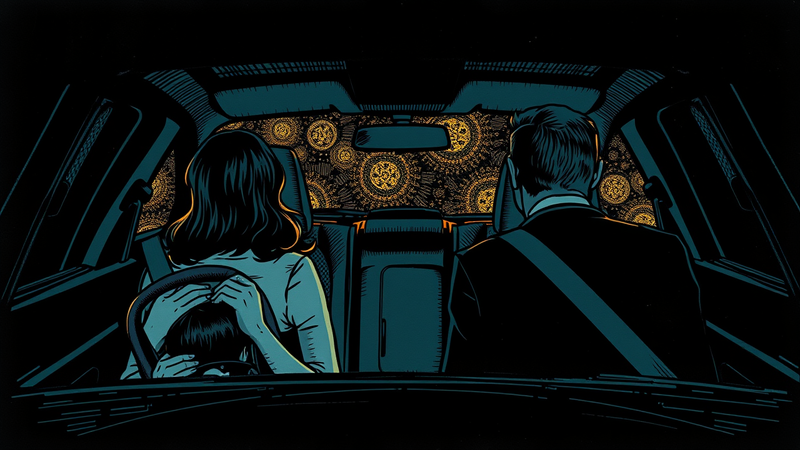
Three months before the departure, Tara texts a friend asking to be kidnapped. On June 4, 2018, she walks out with Evie and calls an Uber to a bus zone. Bryan Crutcher jumps in the back seat. The recording captures everything — including Tara telling her father that police will arrest her for poisoning Steve. Walsh Sr. tells her to come home. Then agrees to conditions he later admits, under oath, he was never genuine about. Tara flies to New York and never returns.
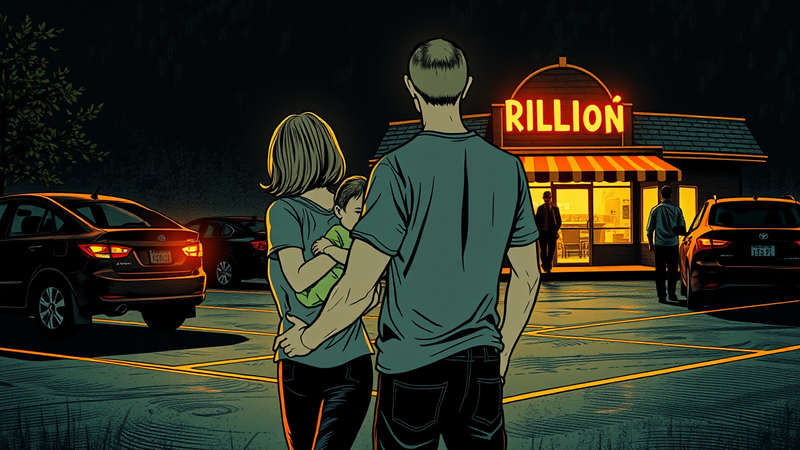
The first supervised visit after the emergency order. Steve surrenders California jurisdiction to see his daughter. The grandparents bring Evie to a parking lot in Chappaqua. Maura refuses to let go. Walsh Sr. intervenes. The child calms in her father's arms and cries when she sees her grandmother.
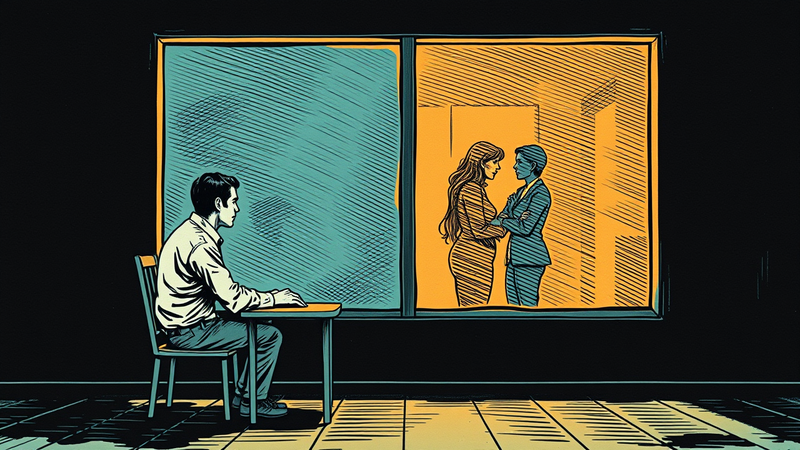
The court appoints a supervisor who promises integrity and transparency. She meets privately with Tara before the first visit, invites her to attend in violation of the court order, dismisses Steve's concerns about being poisoned, and tells him she has a special relationship with the judge. She charges $250 an hour. The judge who appointed her later admits she wanted Steve to die on his own sword.
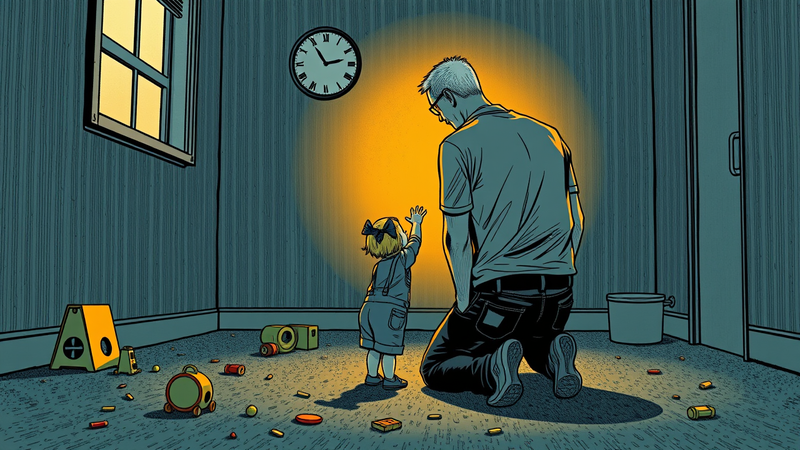
Sixteen visits. Five supervisors. Every observer reports the same thing: Steve is attentive, Evie is happy. The supervisors keep changing. The reports keep disappearing. The visits stop for five months. The court grants sole custody anyway.
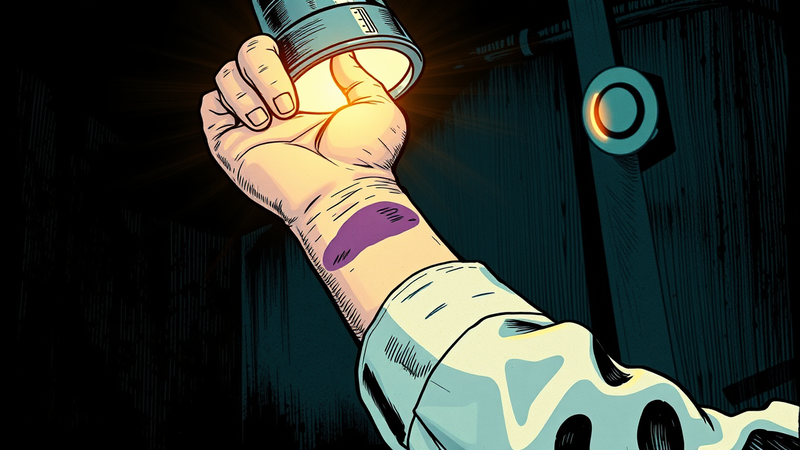
During Visit 15, Steve and two other adults discover bruises on Evie consistent with deliberate injury. Both parents report the bruises as concerning. Tara tells the Attorney for the Child. Steve tells his attorneys, and then the police. Within ten days, the story migrates three times — from concerning to normal to nonexistent — and the court accepts the final version. Months later, Tara's own attorney recuses from the case.
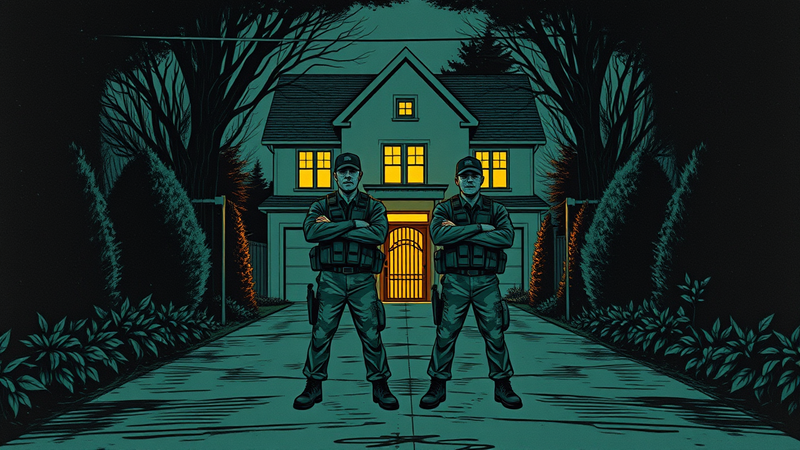
The last supervised visit ends at dusk. At the gate, a blacked-out SUV. Two men in camouflage. The supervisor who documents what she saw is removed from the case. The judge recuses herself without comment. Steve never sees his daughter again.
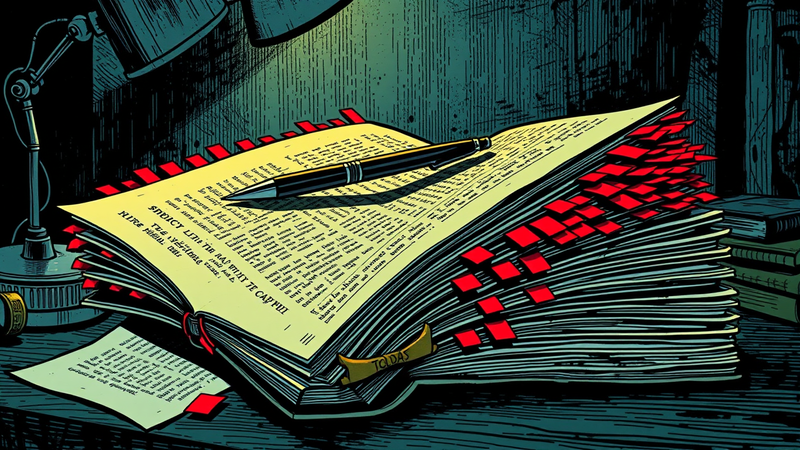
Steve files a detailed memorandum describing the ambush, the supervision manipulation, and the historical abuse inside the Walsh household. The court destabilizes. The judge recuses. The case is reassigned.
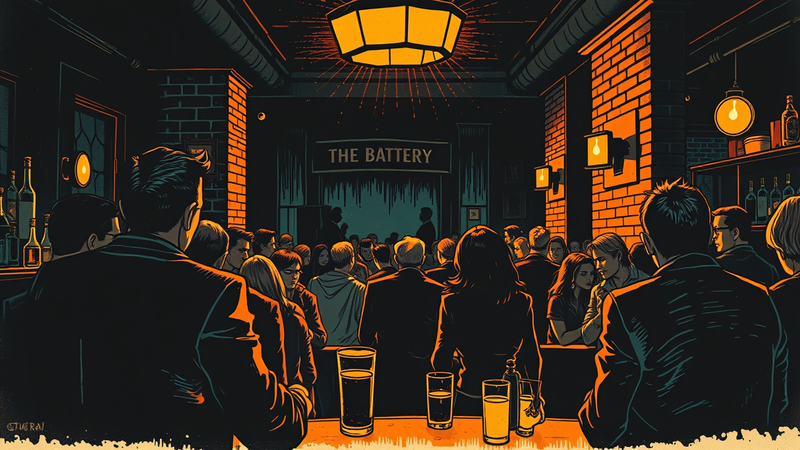
Aunt K is known through the record. She built the blog, compiled the evidence books, and wrote letters to three judges in three months. She helped Steve win the Ring case. She met Evie and became Aunt K. The system that ignored justice also ignored her. She lost a baby to Chappaqua poison.
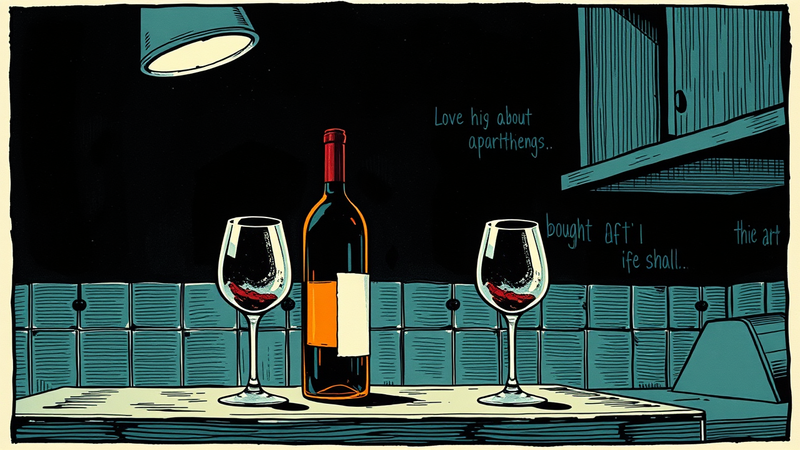
They open a bottle of wine from the Potrero Hill years. Both become extremely ill. Kelly is pregnant. She loses the baby. Testing reveals mycophenolic acid — an immunosuppressant for organ transplants — at seven times the normal range. Kelly's levels spike to fourteen times normal, then fall to zero. A single acute poisoning from a bottle that waited on a shelf for months.
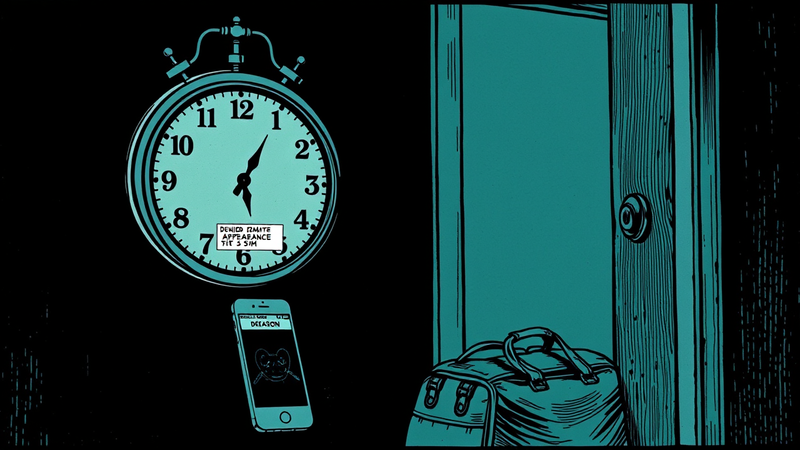
Kelly undergoes surgery. Steve's attorneys request remote appearance at a visitation conference. At five o'clock the evening before, the court denies the request. He boards an overnight flight. When he arrives, Judge Horowitz has already entered a default — granting permanent custody and a five-year order of protection at what was scheduled as a status conference.
Steve seeks a Temporary Order of Protection in New York. The TOP is granted. At the evidentiary hearing, Tara and her attorneys fail to appear. Twice. A second default is entered. Judge Humphreys recuses himself.
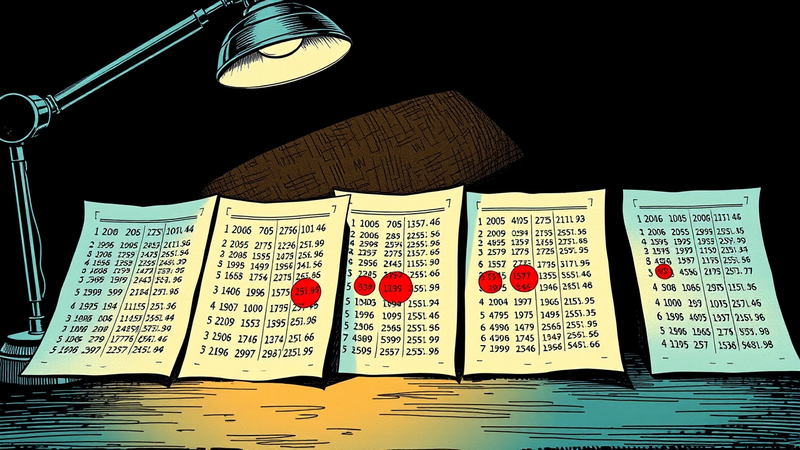
The four poisoning discoveries placed side by side. Lithium in March 2017 — six times normal, no prescription. The Brooklyn night — dissociation, tampered medication, no sample preserved. Abby Tedla's confession — 'she did it all the time.' The Reno bottle — mycophenolic acid at seven times the upper bound, in wine that had been sitting on a shelf for years. What looked like separate incidents becomes a single line drawn across four years and four substances.
The case passes to a fourth judge. Schauer vacates the Horowitz default and issues two temporary orders of protection — one against each party. The poisoner and the poisoned are treated as symmetrical threats. Steve tells the court a permanent temporary order does not give him a chance to face his accuser. The court tells him he is muddying the record.
Steve asks the court to let his mother visit Evie instead. Linda Russell — a retired nurse who raised two sons who attended Stanford — drives thirteen hours round trip to Chappaqua. Walsh Sr. turns her away at the door. She persists. She gets the visits. She writes a letter to Judge Schauer documenting what she sees. Kelly publishes it on StevieLovesEvie.com.
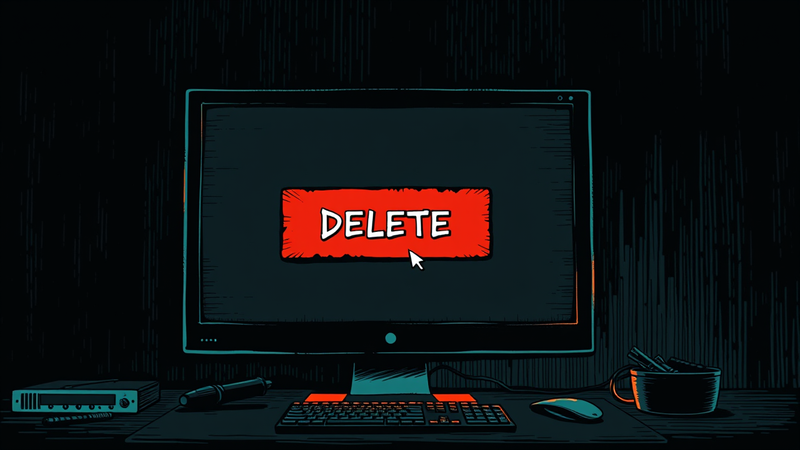
Jennifer Jackman resigns as Attorney for the Child without explanation. Her replacement files a motion to suppress all blog content. A visitation conference is converted into a gag order hearing. Steve is declared in default. Judge Schauer orders the blog removed — every post, every photograph, every grandmother's letter. The words are precise. Erase. Deactivate. Delete.

His attorney was in the courtroom. He was not. The phone rang after. The voice on the other end sounded beaten. 'Well, that didn't go well.' The orders were final.
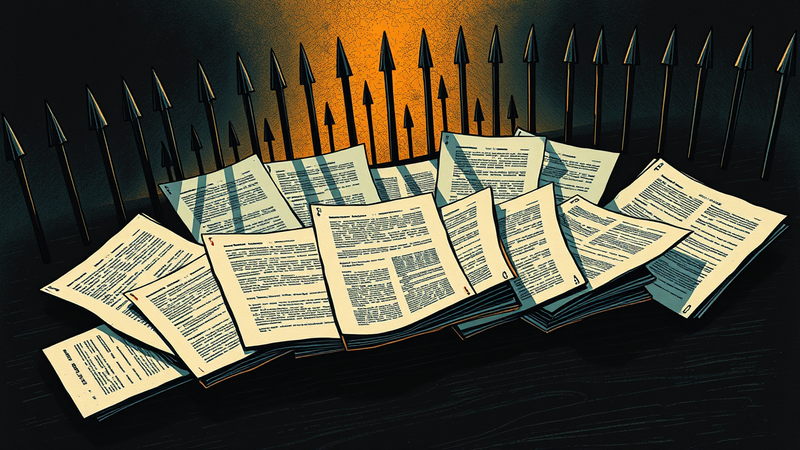
The court orders leave the courthouse. Tara and the Walsh family circulate them to employers, friends, and journalists — presenting them as proof Steve is dangerous. Reporter Michaelanne Petrella receives a direct threat seventeen days before the gag order exists. Walsh Sr. threatens Steve's attorney by voicemail. The SFPD detective investigating the poisoning is neutralized by a court order hand-delivered by a party to the case.
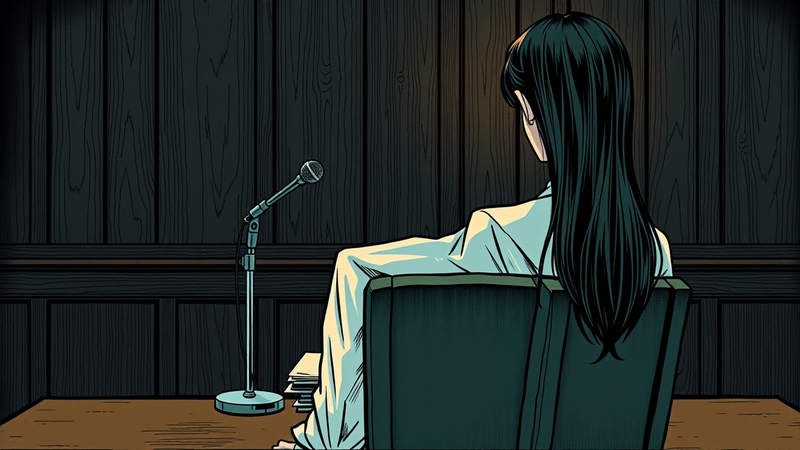
Brienne Walsh had been writing about the household for years. Her deposition was taken September 29, 2020. Under oath, she confirmed the abuse. She confirmed the CPS calls. The family screamed at her for testifying. Her testimony was admitted at trial without objection.

Three years to arrange. Three days to conduct. Four depositions with one attorney. Coached amnesia, privacy walls, prepared performances — and one unguarded moment from the man who married in. "They were aware of it. They were encouraging it, yeah."
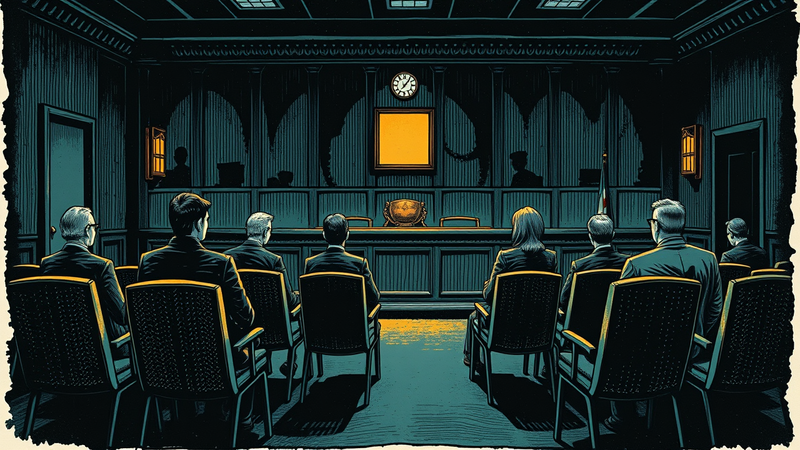
CGC-20-588105. Eight causes of action. Eighty-nine register entries. Three rejected defaults. One family gets the benefit of every procedural doubt. The other gets sanctioned four hundred dollars at a time.
The Appellate Division, Second Department rules: the default did not occur. The blanket deletion order was not tailored as precisely as possible to the exact needs of the case. 214 A.D.3d 890. Two holdings that dismantle the foundation. The Family Court does not act.
The civil battery case reaches trial in San Francisco Superior Court. A different courtroom. Twelve neutral citizens. Abby Tedla testifies. Brienne's deposition is admitted without objection. The jury hears the full story for the first time.
The verdict: battery, fraud, intentional infliction of emotional distress, domestic violence — with a finding of malice. Eleven to one. Approximately three hundred thousand dollars. The vote was not close.

Tara appeals the battery verdict. Three arguments. The appellate court finds none of them persuasive. The jury's findings survive review. The judgment is domesticated in the same county where the family court orders remain in effect.
After the verdict, after the appeal, the story becomes what institutions could not hold — a permanent archive. Five independent archives survived every silencing attempt. In December 2025, a motion arrived in Westchester asking a single question: were the orders that govern a child's life ever lawfully entered?

The mechanism that has operated across forty-seven chapters is named. A sleeping photograph sent at midnight with conditions attached. Three layers of the same grammar — court-built, physical, ambient — each converting fatherhood into evidence against the father.
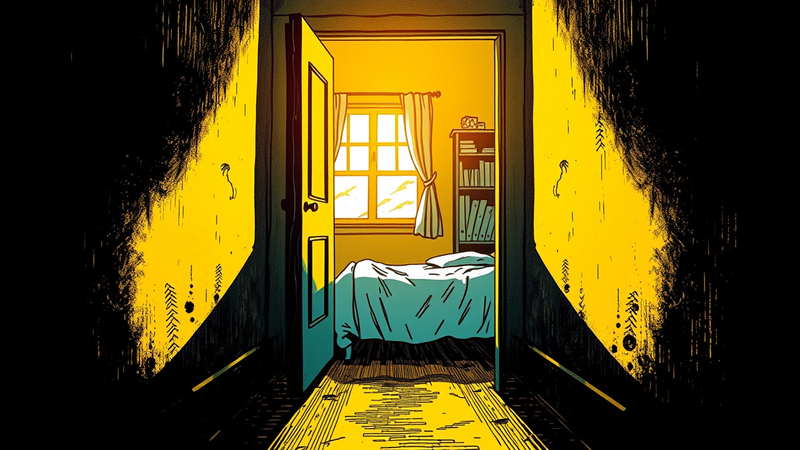
A portrait of Stephen Walsh Sr. built from scenes, not diagnosis. The man who confronted a father in a public roadway but retreated from a five-foot-one nanny. Who arranged the ambush but was not in the car. Whose stammer under oath arrived whenever the questioning approached the truth.
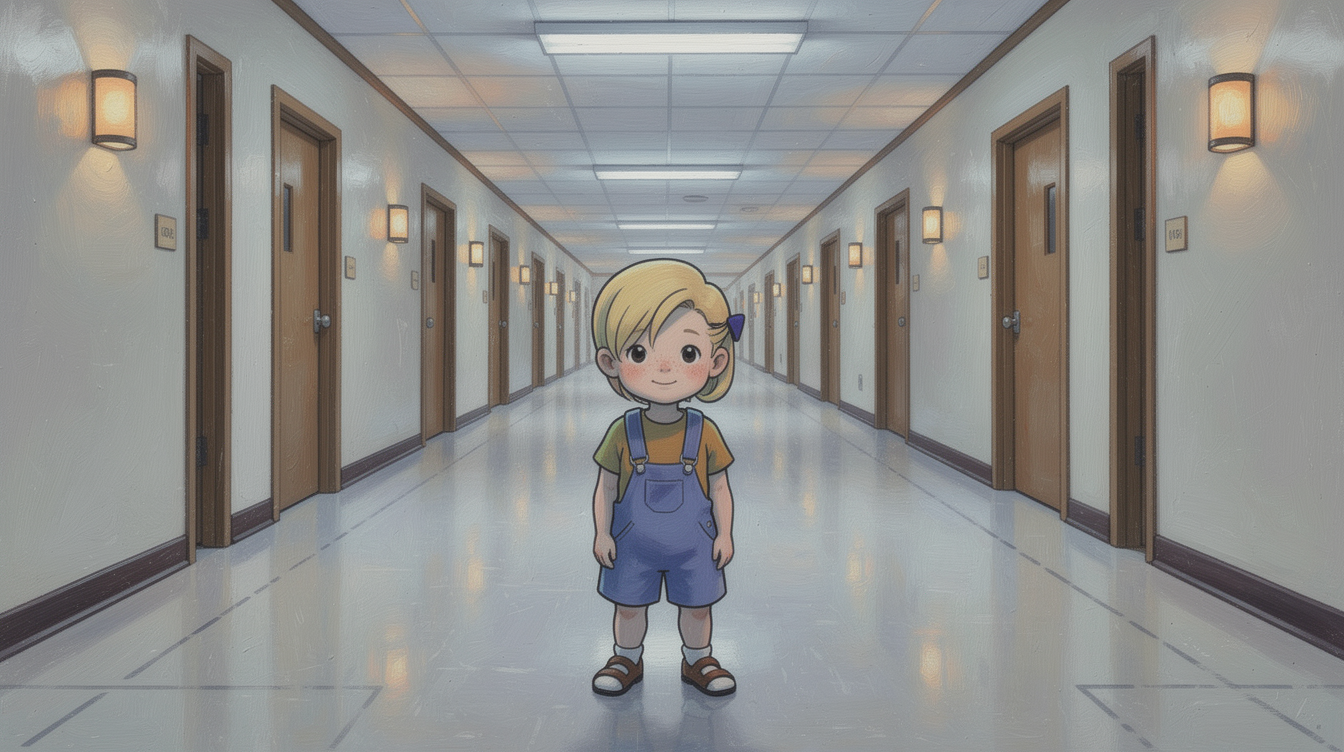
After the verdict and the appeal, Tara communicates a new condition — drop the judgment, put money in escrow, stop filing court actions. Contact with Evie becomes conditional on surrendering the legal outcome. When Steve declines, the scheme adapts: forged filings, frozen accounts, threats, displacement.
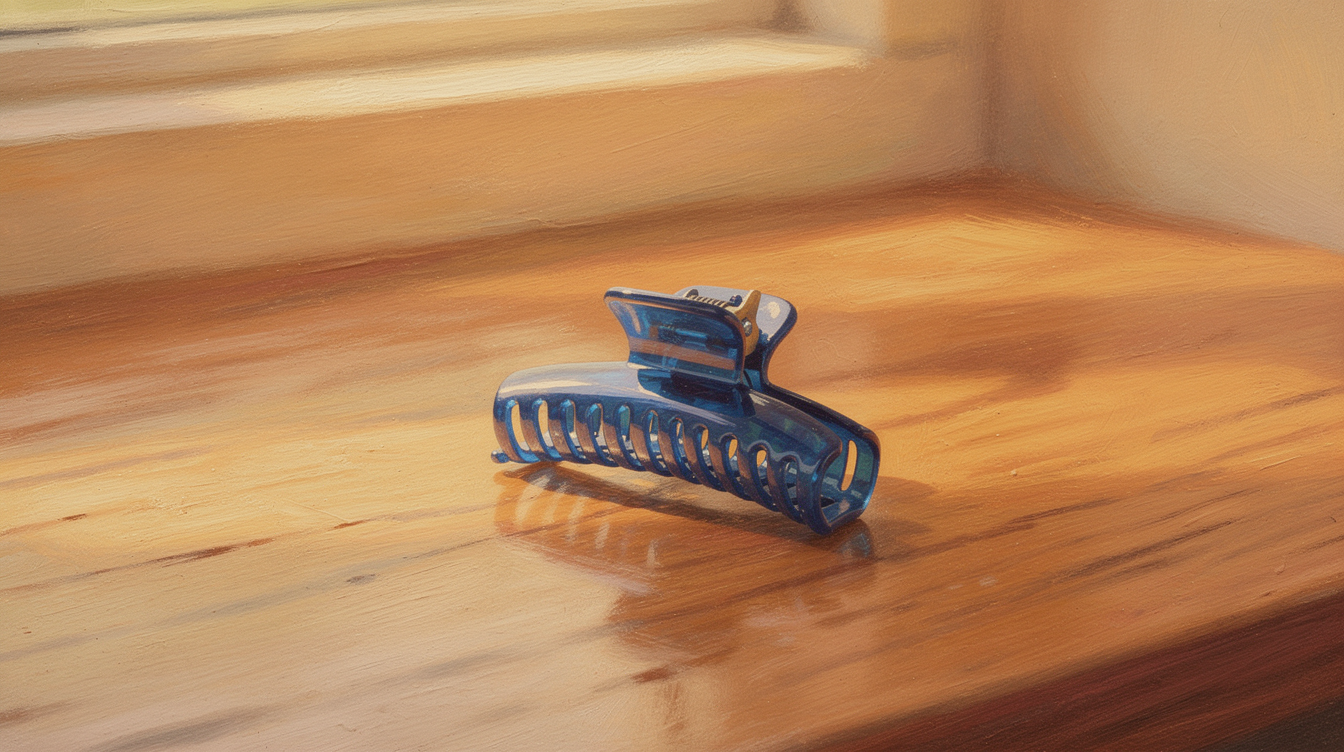
Afterword. A house in the United States. A room that is ready. A brother who knows her name. The door is open.
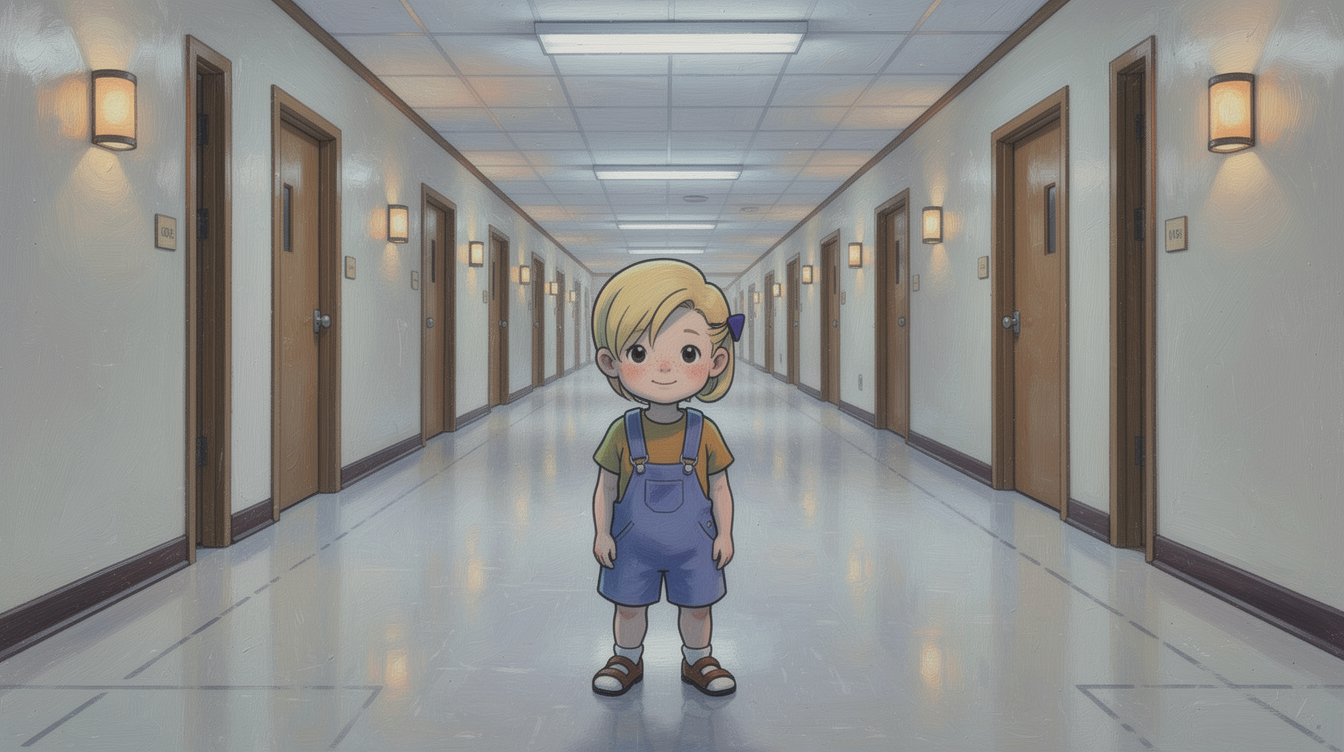
The system that failed Evie did not dismantle itself. The people who built it were promoted. The institutions that enabled it continued. A note about Bonnie. A note about Steve and Simon.
Four discoveries. Three substances. Three laboratories. Three years. Every person who saw something was removed. A jury heard the evidence. The child is still in Chappaqua.